





UQ has been named as a key research node for developing technologies to treat mitochondrial diseases.
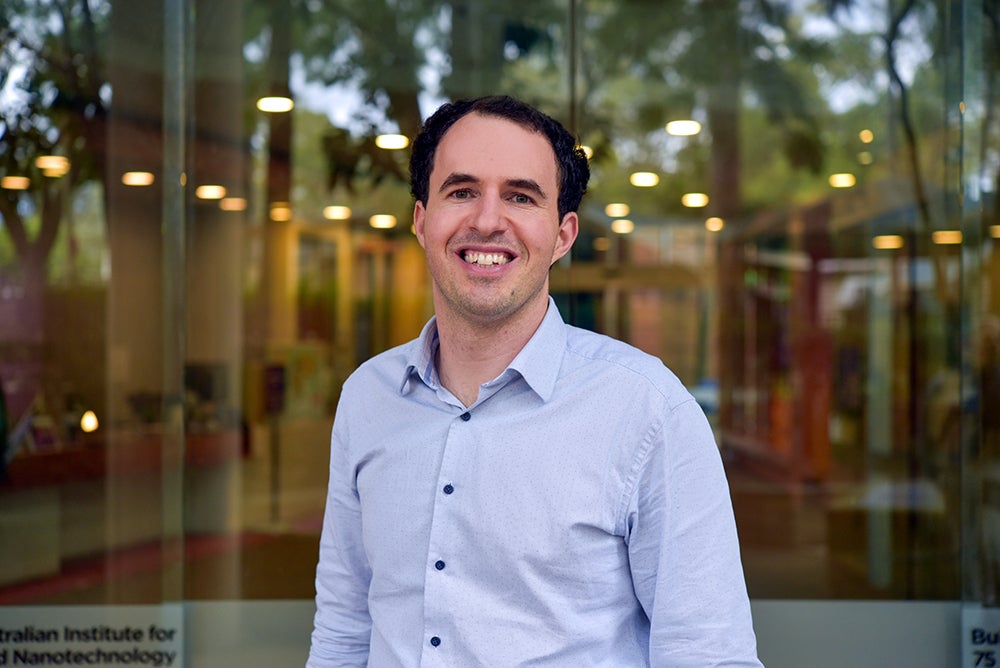
AIBN’s Associate Professor Seth Cheetham is Chief Investigator of the only non-European base of the new world-leading Medical Research Council Centre of Research Excellence for Mitochondrial Genome Therapeutics (CoRE-MitoGT).
Scientists at the UQ node will accelerate research into cures for these rare life-threatening genetic diseases.
Dr Cheetham said the UQ node aims to define how changes in DNA cause disease while translating that knowledge into new therapies that correct the DNA alterations.
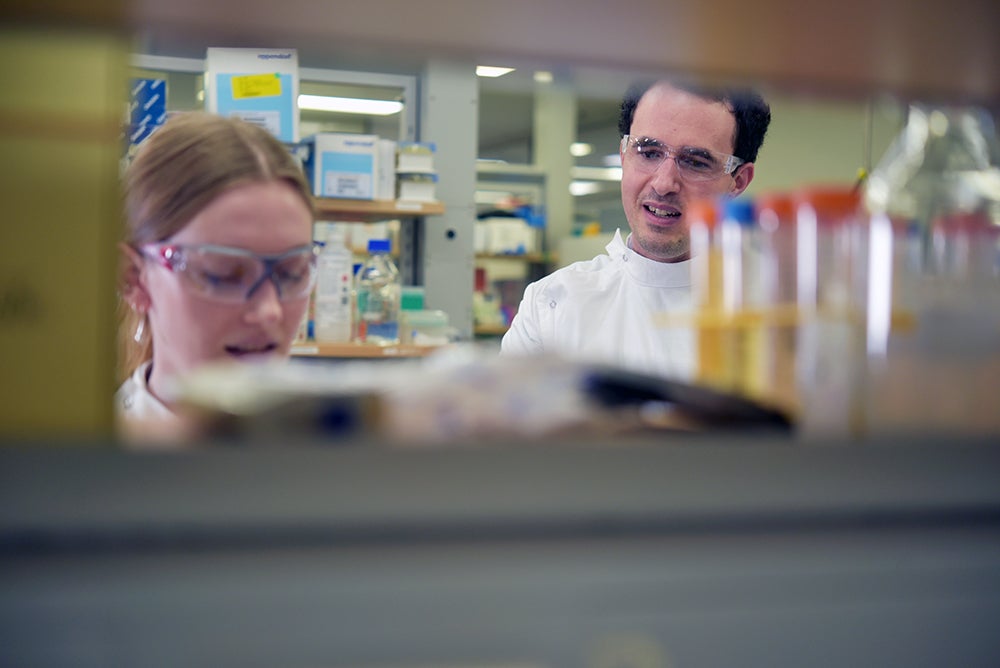
“We will focus on developing new therapeutic technologies – particularly biomanufacturing and delivery systems – while leveraging national infrastructure already at AIBN such as the National Biologics Facility,” Dr Cheetham said.
“Our goal is to have credible therapeutic candidates entering clinical trials within 7 years.”
Rare mitochondrial diseases
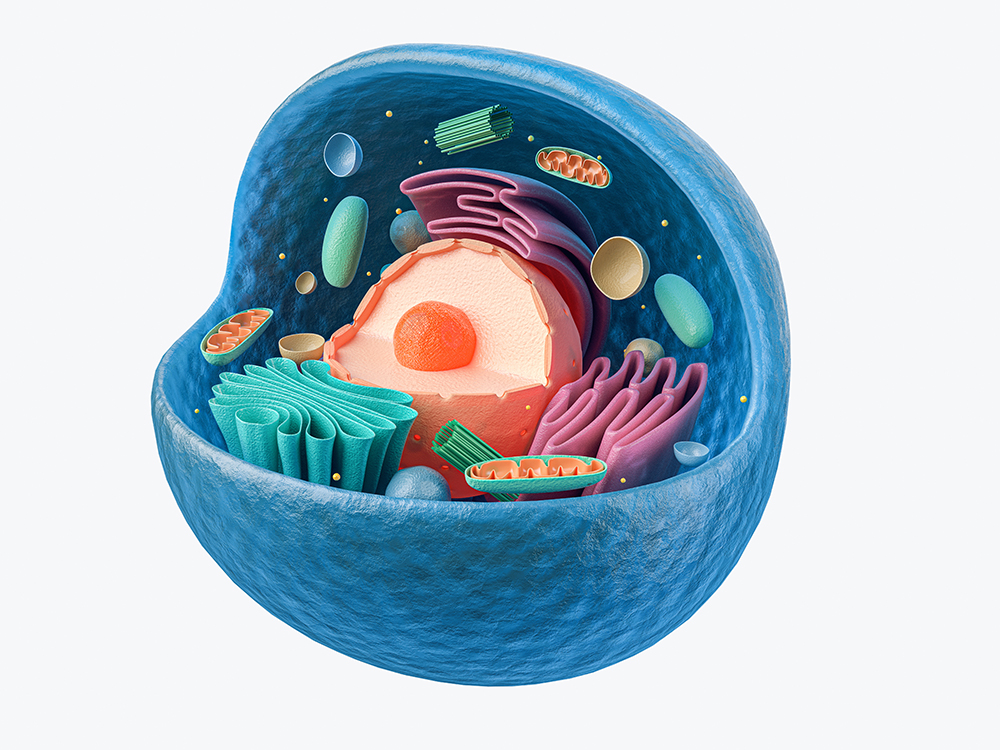
“Mitochondrial diseases are rare, devastating genetic disorders caused by mutations in DNA that impacts mitochondria – the parts of cells that produce energy and are critical for almost all life functions,” said Dr Cheetham.
“They affect fewer than one in 5,000 people and most have no cures, while the treatments that do exist are often limited to organ transplants and carry significant risks.”
Technological advancements through the work of the CoRE-MitoGT are making new approaches possible, including highly personalised treatments designed for individual patients.
These include gene-editing technologies capable of directly editing DNA and correcting pathogenic mutations, next-generation viral and mRNA therapies delivered directly into a living cell, and advanced imaging to map metabolic and physiological effects of mtDNA mutations.
Successful gene-editing treatment
A gene-editing treatment for mitochondrial disease made international headlines last year when scientists saved a baby in the United States born with a mutation of an enzyme known as CPS1.
The condition meant the child was unable to break down protein, and while a liver transplant could correct the disease, the infant was too young to undergo the procedure.
After identifying the mutation through DNA sequencing, a personalised therapy was designed in just 7 months to correct a misspelled letter in the baby’s mtDNA using a gene-editing technology known as CRISPR.
Doctors used mRNA technology to target his liver cells, search for the DNA’s specific mutation and correct a single DNA letter.
Join The Network
Stay on top of our industry news and developments, events and opportunities, by joining The Network
Sign up todayFaster than developing new drugs
“The technology itself is remarkable, but what’s equally as impressive is the speed,” Dr Cheetham said.
“Drug development traditionally takes decades, so this represents a completely new paradigm – making precise corrections to DNA in a living patient.”
International expertise creates momentum and hope
The Mito Foundation funds essential research into the prevention, diagnosis and treatment of mitochondrial diseases and has been a key supporter of UQ’s bid to secure a research hub in Brisbane.
Mito Foundation Chief Executive Officer Sean Murray said this kind of international collaboration brought genuine momentum and hope to families affected by mitochondrial diseases.
“The centre’s work has the potential to transform how scientists understand and treat these devastating genetic diseases by connecting cutting-edge science with a strong focus on real-world patient outcomes,” he said.
The CoRE-MitoGT is led by the University of Cambridge and combines world-leading expertise from Birmingham, Manchester, Heidelberg, Paris and Brisbane.
NBF is supported by Therapeutic Innovation Australia through the National Collaborative Research Infrastructure Strategy (NCRIS) program.
Want to learn more about this story or how you can partner with AIBN on ground-breaking research?
Contact us via email: communications@aibn.uq.edu.au
or phone: +61 414 984 324


