





Partnering with LanzaTech to convert waste gases into valuable products, helping reduce reliance on fossil fuels and combat climate change.
A bold idea
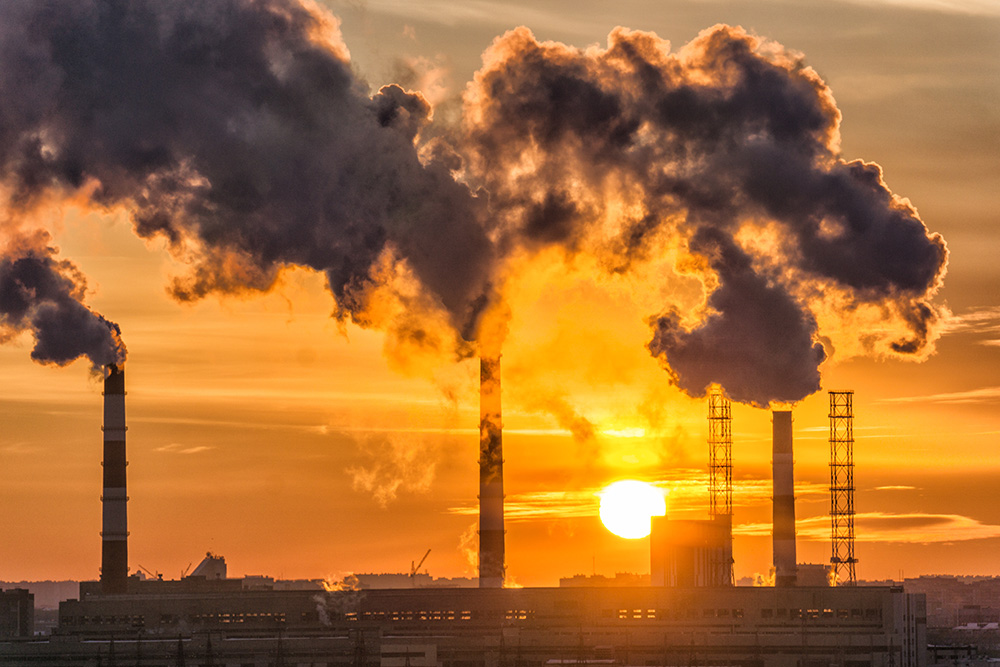
In the early 2000s, the idea that waste industrial gases could be transformed into useful products was largely confined to academic research and had yet to be proven at commercial scale.
Industrial emissions were seen largely as an unavoidable cost of progress.
But a start-up company called LanzaTech, founded in 2005, saw possibility where others saw waste.
In 2012, LanzaTech came to AIBN with a bold idea to use microbes to convert industrial waste gases into valuable fuels and chemicals.
This close collaboration has now translated into gas fermentation technology deployed at an industrial scale across multiple continents.
Nurtured by science
“Professor Lars Nielsen and I were approached by LanzaTech to see if we could build a mathematical model to understand the microbes’ metabolism that turns carbon emissions into ethanol,” Professor Esteban Marcellin recalled.
AIBN researchers contributed expertise in systems biology, metabolic engineering and synthetic biology at a formative stage of the company’s development.
They worked alongside LanzaTech scientists to understand how gas fermenting microbes functioned at a fundamental level.
The researchers asked the questions to gain understanding of and optimise microbial performance under industrial conditions.
“Leaning on the expertise of researchers at UQ’s BioHub has helped LanzaTech embed gas fermentation as a standard practice in the industrial landscape.”
LanzaTech co-founder Dr Sean Simpson
The bacterial star of the show
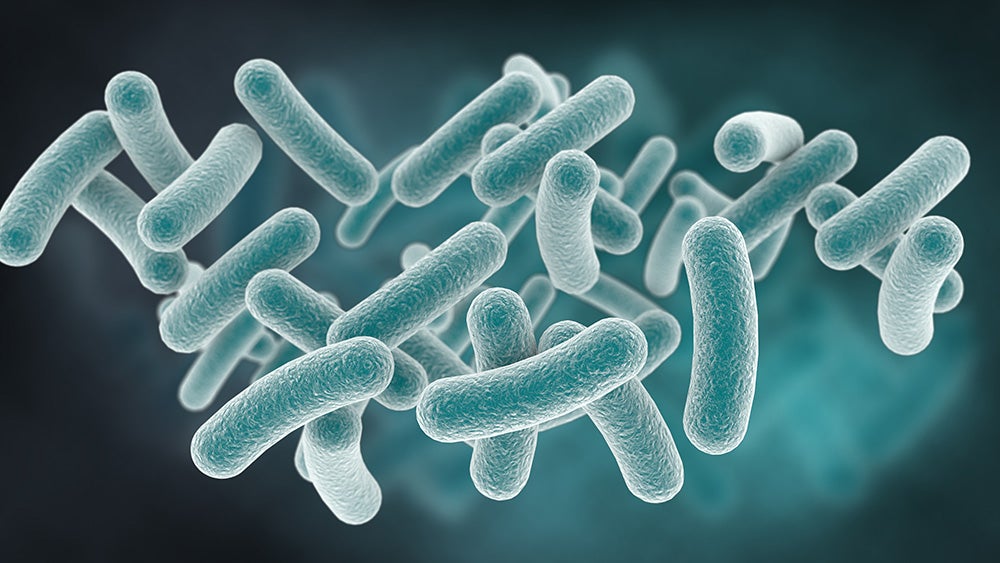
None of this would be possible without the bacteria which use carbon dioxide (CO2) and carbon monoxide (CO) as their energy source.
These ancient acetogenic bacteria live in environments devoid of oxygen and have been found in deep sea vents, hot springs and even the guts of mammals.
Clostridium autoethanogenum, LanzaTech’s bacteria of choice, was originally discovered in rabbit droppings.
Waste gases (often called "syngas") are captured from industrial sources like steel mills, oil refineries or from the gasification of solid waste and metabolised by C. autoethanogenum into acetate or ethanol which can be used to fuel cars or planes.
AIBN’s technology has played akey role in establishing LanzaTech’s commercial-scale gas fermentation capabilities globally, generating thousands of tons per year of fuel-grade ethanol from steel mill flue gas.
Expanding knowledge and products
The relationship between AIBN and LanzaTech deepened through the establishment of UQ’s $70 million Biosustainability Hub (BioHub).
LanzaTech was a founding industry partner of the BioHub, launched to accelerate solutions for climate, energy and the bioeconomy.
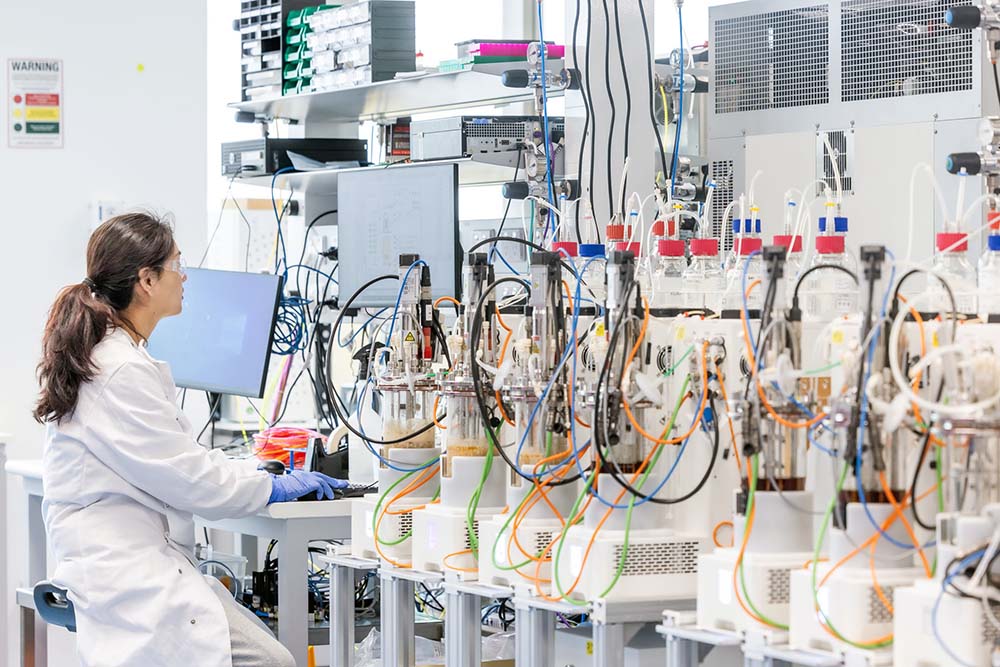
The BioHub is expanding our understanding of the microbes used in gas fermentation, what products can be made, how their production can be scaled up and therefore expanding the types of sustainable products created.
LanzaTech has leapt way beyond generating thousands of tons of fuel-grade ethanol per year.
They are also delivering new sustainable products such as bioplastics, proteins for animal feed, CarbonSmart™ polyester for clothes and polyethylene packaging made from carbon emissions.
Solutions for society
Together, AIBN and LanzaTech offer a powerful demonstration of how investing in a sustained research-industry collaboration can deliver enduring value for people, industry and the planet.
By decreasing our reliance on fossil fuels in tandem with removing carbon dioxide from the atmosphere, we are reducing our impact on the planet, forging our way towards net zero.

Join The Network
Stay on top of our industry news and developments, events and opportunities, by joining The Network
Sign up today